

Phone Number
0406184087
Email Address
At Ecomax Homes, we are proud to bring over 10 years of BASIX experience and more than 7 years of NatHERS assessment expertise across residential projects throughout Australia.
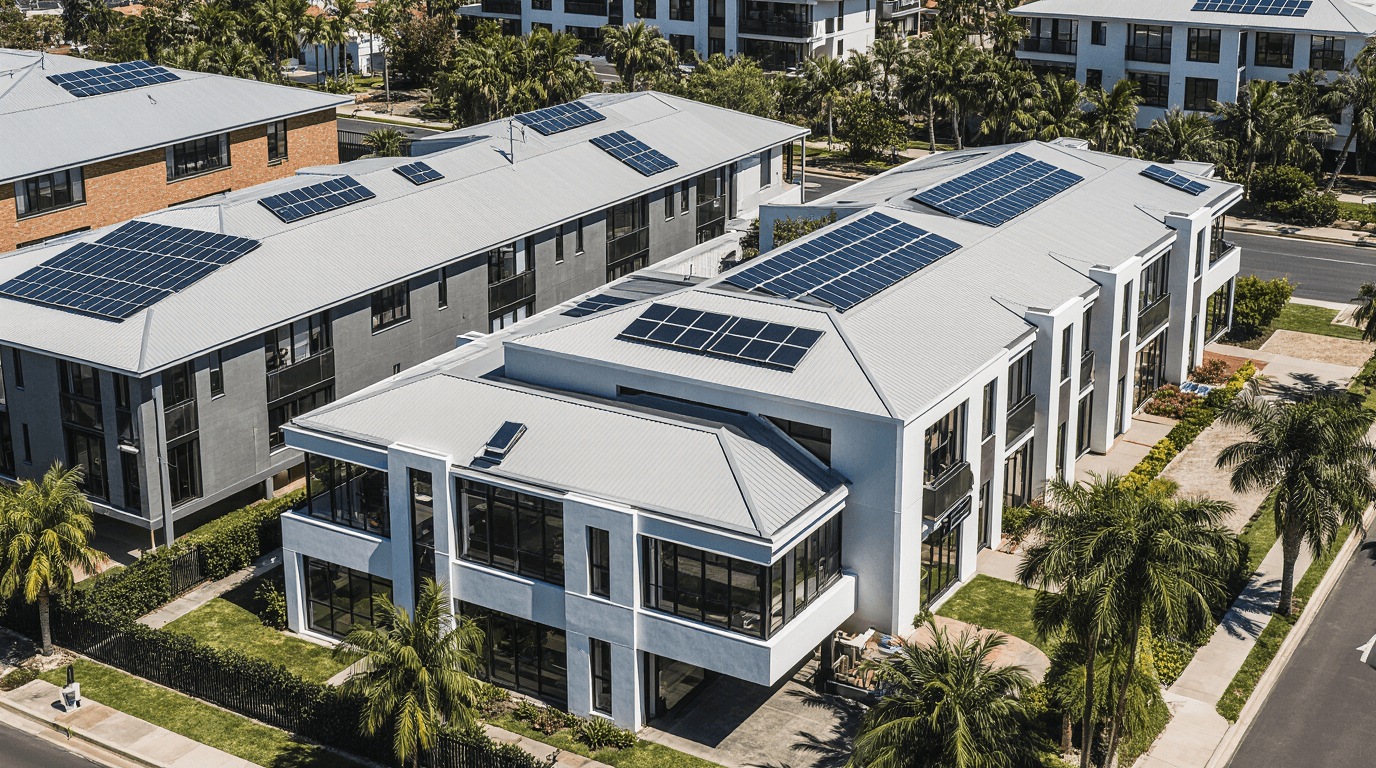
Learn what a BASIX Certificate is, why it is required in NSW, how it supports energy and water efficiency, and how it relates to NatHERS and NCC compliance.
Designing or renovating a home in New South Wales involves more than architectural plans and council approvals. One of the most important regulatory requirements is obtaining a BASIX Certificate.
For architects, builders, developers, and homeowners, understanding BASIX is essential because it directly affects planning approval, building design, and long-term energy performance.
This guide explains what a BASIX Certificate is, why it is required, how it works, and how it connects with other building compliance systems such as NatHERS assessments and the National Construction Code (NCC).
BASIX stands for Building Sustainability Index.
It is an online sustainability assessment system introduced by the New South Wales Government to ensure that residential developments meet minimum standards for:
Energy efficiency
Water conservation
Thermal comfort
The BASIX scheme applies to most new residential developments and major renovations in NSW and is a mandatory component of the Development Application (DA) or Complying Development Certificate (CDC) process.
The BASIX program was introduced to reduce the environmental impact of residential buildings across New South Wales.
Buildings account for a significant portion of energy consumption and water use. By enforcing sustainability targets at the design stage, BASIX helps ensure that new homes are built to perform efficiently over their entire lifecycle.
Key objectives include:
Reducing greenhouse gas emissions from residential buildings
Lowering household energy consumption
Improving water efficiency
Encouraging climate-appropriate building design
Without a valid BASIX Certificate, a residential development cannot proceed through planning approval in NSW.
The BASIX Certificate is generated through an online assessment platform where project details are entered and evaluated against sustainability targets.
The assessment typically considers:
Building orientation
Window size and glazing performance
Insulation levels
External shading
Heating and cooling systems
Hot water systems
Lighting efficiency
Solar photovoltaic systems
Rainwater tanks
Efficient fixtures and fittings
Landscape irrigation
If the proposed design meets the required targets, the system generates a BASIX Certificate, which must be submitted with the development application.
For many projects, thermal performance requirements under BASIX are satisfied using a NatHERS assessment.
NatHERS (Nationwide House Energy Rating Scheme) is a thermal modelling framework used to measure how efficiently a building maintains comfortable indoor temperatures.
Specialised software simulates:
Heat gains and losses
Building orientation
Window performance
Insulation levels
Local climate conditions
The outcome is a star rating, typically ranging from 0 to 10 stars.
Higher ratings indicate better thermal efficiency and reduced reliance on artificial heating and cooling.
Consider a proposed house in Western Sydney with large west-facing windows.
A NatHERS simulation might show excessive heat gain during summer. To meet BASIX targets, the design may require:
External shading devices
Higher-performance glazing
Additional roof insulation
These adjustments improve thermal comfort and reduce energy demand.
Although BASIX is a state-specific requirement for NSW, it operates alongside the National Construction Code (NCC).
The NCC sets minimum energy efficiency standards across Australia, including:
NatHERS star ratings for residential buildings
Section J energy efficiency provisions for commercial buildings
Performance pathways such as JV3 energy modelling
For residential developments in NSW, BASIX effectively works as the primary sustainability compliance pathway, while still aligning with broader NCC objectives.
A developer proposes a new 4-bedroom house in Newcastle.
To meet BASIX requirements, the design may include:
5,000L rainwater tank connected to toilets and laundry
Roof insulation rated R4.1
Double-glazed windows
LED lighting throughout the home
These measures help meet both water and energy reduction targets required under the BASIX scheme.
A homeowner plans a significant extension that increases the floor area by more than 50%.
Because the project qualifies as a major renovation, a BASIX assessment is required. The design may incorporate:
High-efficiency heat pump hot water system
Ceiling fans for passive cooling
Improved wall insulation
Solar PV installation
These upgrades help ensure the expanded home remains energy efficient.
A BASIX Certificate is generally required for:
New houses
Dual occupancies
Townhouses
Villas
Residential flat buildings
Major renovations or alterations
Even smaller projects may require BASIX compliance if they significantly affect energy or water performance.
Architects and builders typically coordinate with energy assessors or sustainability consultants to prepare the assessment and ensure the design meets all targets.
Although BASIX is primarily a regulatory requirement, it also provides practical long-term advantages.
Energy-efficient homes reduce reliance on heating, cooling, and artificial lighting.
Better insulation, glazing, and building orientation create more stable indoor temperatures.
Sustainable homes are increasingly attractive to buyers and tenants.
Lower water use and energy consumption contribute to long-term sustainability goals.
A BASIX Certificate is a fundamental requirement for residential development in New South Wales. It ensures that new homes and major renovations meet sustainability targets for energy efficiency, water conservation, and thermal comfort.
For architects, builders, developers, and homeowners, incorporating BASIX considerations early in the design process can prevent costly redesigns and streamline planning approvals.
When combined with tools such as NatHERS thermal modelling and broader NCC energy performance standards, BASIX plays a key role in improving the efficiency and sustainability of Australia’s residential building sector.
Copyright 2026 - All Rights Reserved